Spas & Hot Tubs
Backyard Hot Tubs: What to Know Before You Soak
A spa is one of the easiest ways to make a backyard feel finished. It is also an appliance that runs every hour of the year.
Placement decides how often you use it
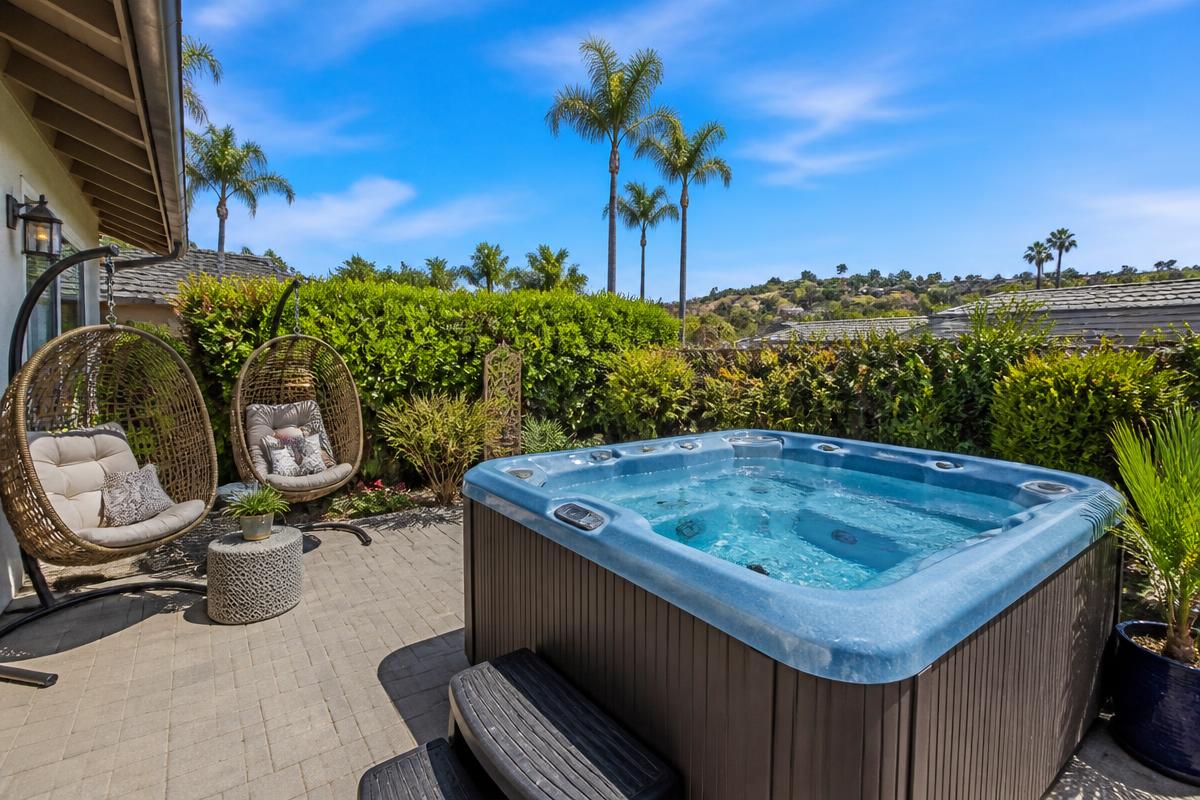
The spas that get used sit close to the back door, on a level surface, with a short walk from a towel and some privacy from neighbors. The spas that get abandoned sit at the far corner of the yard under a tree.
A filled spa is heavy — a properly poured pad or a reinforced deck rated for the load is not optional. Leave clearance on at least one side for service access to the equipment bay.
Power, water and running cost
Most quality spas want a dedicated 240V circuit installed by a licensed electrician, with a disconnect within sight. Plug-in 120V models are simpler but heat more slowly and struggle on cold North Bay nights.
Monthly running cost depends on insulation, cover condition and how warm you hold the water. A well-insulated tub with a tight cover is dramatically cheaper to run than an older unit with a sagging one.
- Level, load-rated pad or deck
- Dedicated 240V circuit with a disconnect within sight
- Service clearance on the equipment side
- A good cover and a cover lifter you will actually use
- Local rules on fencing, setbacks and safety barriers
The weekly reality
Test and adjust sanitizer and pH several times a week, rinse the filter cartridge monthly, wipe the waterline, and drain and refill every three to four months. Shock after heavy use, not on a fixed schedule.
Foam, cloudiness and a persistent smell are all signs of the same thing — organic load outrunning sanitizer, usually in water that is overdue for a change.
Getting help with it
Plenty of owners handle spa care themselves and enjoy it. Others want the water ready whenever they are. Scheduled spa chemical service covers testing, balancing, filter care and drain-and-refill cycles so the tub is simply always usable.
Either way, keep a record of drain dates and filter changes. It makes troubleshooting far faster when something does go wrong.
Key takeaways
- Place the spa close to the house on a level, load-rated surface or you will stop using it.
- Plan for a dedicated 240V circuit and real service clearance.
- Expect testing several times a week and a full drain every three to four months.