Spas & Hot Tubs
Hot Tubs and Spas: Different Types, Different Maintenance Needs
Hot water, small volume, heavy use. Spas are less forgiving than pools, and the type you own changes the routine.
Why spa water moves faster than pool water
A spa holds a few hundred gallons against a pool's tens of thousands, runs at 100–104°F, and often carries several people at once. Heat burns off sanitizer, bathers add oils and lotion, and there is very little water volume to dilute any of it.
That is why spa chemistry can go from perfect to foamy and cloudy in a single weekend, and why testing two to three times a week is normal rather than excessive.
Portable above-ground spas
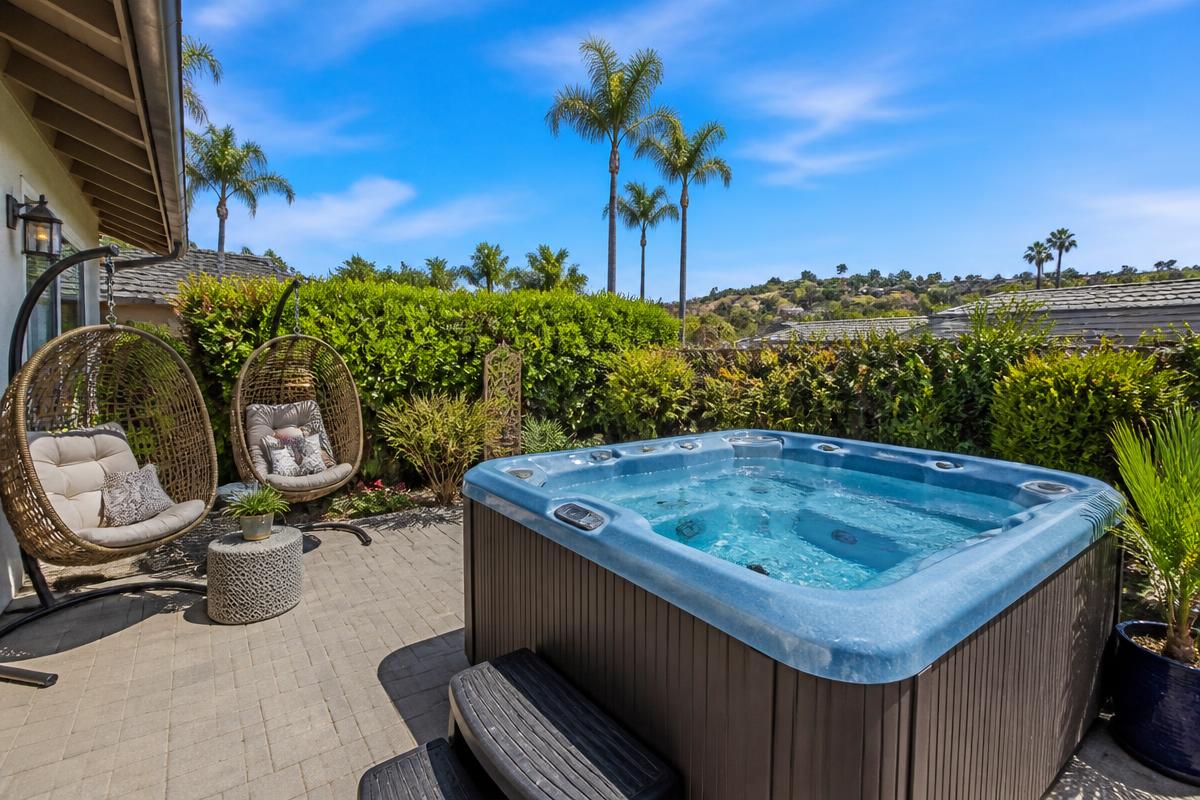
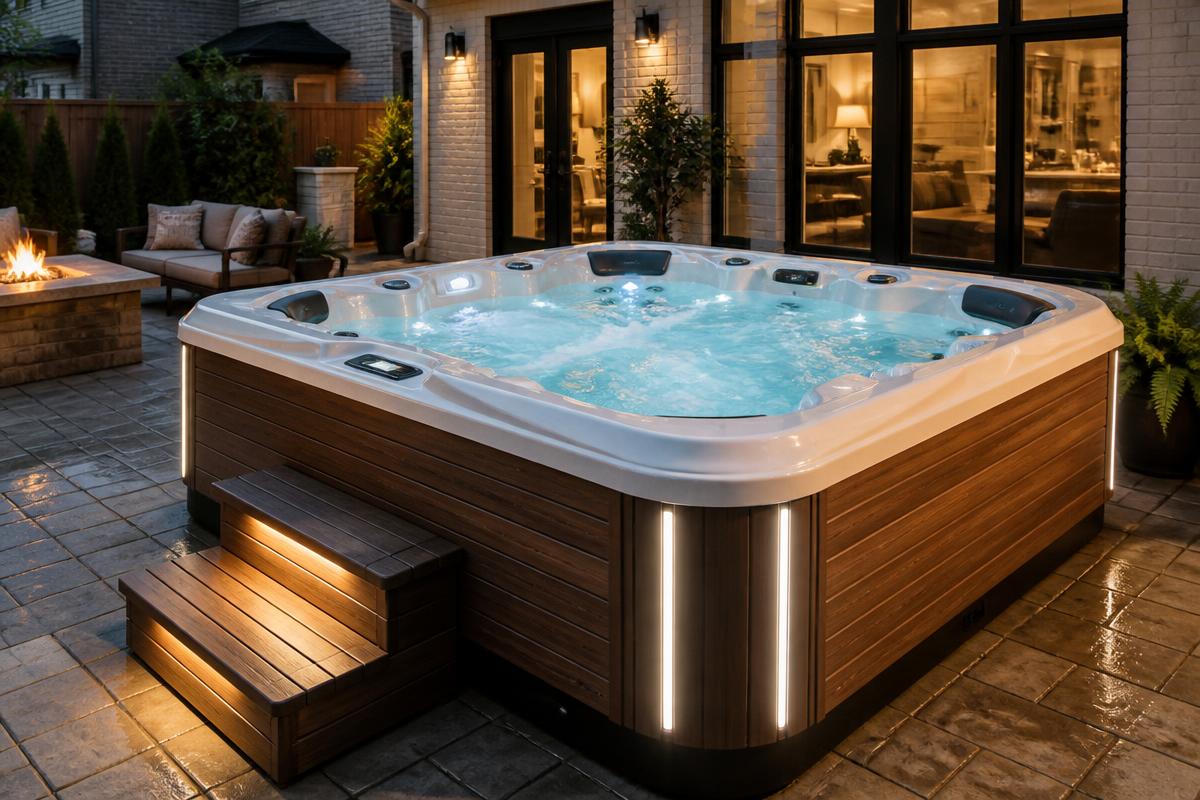
The most common backyard spa: self-contained, plug-in or hardwired, with a cartridge filter and an insulated cover. Upkeep centers on sanitizer level, rinsing the cartridge every few weeks, and draining and refilling every three to four months.
The cover is the part most owners neglect. A waterlogged cover drives up heating costs and lets debris in every time it is opened.
In-ground and spillover spas
Attached spas share plumbing and equipment with the pool, so balance affects both bodies of water and valve actuators, heaters and blowers add failure points. They are wonderful to use and slightly more complex to service.
Because they refill from the pool, chemistry usually tracks the pool — but heat still burns sanitizer faster on the spa side after each use.
Swim spas and wood-fired tubs
Swim spas combine spa heat with a current system and a larger volume, so they need pool-level circulation attention and spa-level chemistry discipline. Jet and pump service is the common repair.
Wood-fired and stock-tank style soaking tubs skip the equipment but rarely have real filtration, so they need frequent draining rather than chemical management.
- Portable spa: test 2–3x weekly, rinse cartridge monthly, drain every 3–4 months
- Spillover spa: chemistry follows the pool, watch actuators and heater
- Swim spa: pool-style circulation, spa-style chemistry, jet service
- Wood-fired tub: minimal chemistry, frequent draining
Key takeaways
- Small volume plus high heat makes spa chemistry change far faster than pool chemistry.
- Drain and refill a portable spa every three to four months regardless of how it looks.
- Cover condition drives both heating cost and water quality.